Office Lighting Ideas: How to Design a Bright, Beautiful, and Productive Workspace
The right home office lighting can make your workspace feel brighter, calmer, and more elevated.
DESIGN GUIDES
8/17/20264 min read
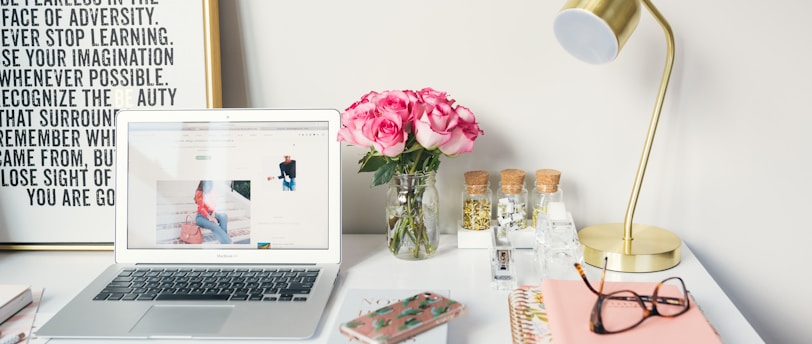
Good lighting can make or break a home office. Get it right, and you'll notice sharper focus, fewer headaches, and a room that actually feels good to sit in for eight hours. Get it wrong, and even the most beautifully furnished office will feel flat, harsh, or draining. Below is a complete guide to office lighting ideas — from layering techniques to fixture choices — so you can design a workspace that looks polished and performs well.
Why Office Lighting Deserves Special Attention
Unlike a living room or bedroom, an office has to support hours of focused visual work: reading, typing, video calls, and screen time. That means lighting needs to do double duty — it has to be functional enough to reduce eye strain, and ambient enough to keep the space from feeling clinical. The best office lighting plans borrow principles from residential design more broadly. If you've read our guide to layering lighting, you already know the foundation: no single fixture should be responsible for lighting an entire room. The same rule applies here, just with a few office-specific tweaks.
Start With a Layered Lighting Plan
A well-lit office needs three types of light working together:
1. Ambient (general) lighting This is your overall room illumination — a ceiling fixture, flush mount, or recessed lighting that ensures the space isn't dim when the sun goes down. Ambient light should be soft and even, avoiding harsh overhead glare directly above your desk.
2. Task lighting This is the most important layer in an office. A dedicated desk lamp, positioned to eliminate shadows on your keyboard or notebook, reduces eye fatigue during long work sessions. Look for adjustable arms and warm-to-neutral color temperatures (2700K–4000K) rather than cold, blue-white bulbs.
3. Accent lighting Small accent fixtures — picture lights, LED strips behind a shelf, or a statement floor lamp in the corner — add depth and warmth. They're what separates a functional office from one that feels genuinely inviting.
If layering feels unfamiliar, it's worth revisiting the one-lamp rule, a simple guideline that helps you avoid over-relying on a single overhead source and instead build a room with dimension and warmth.
Choose the Right Desk Lamp
Your desk lamp is arguably the single most important lighting decision in the room. A few things to prioritize:
Adjustability: An articulating arm lets you redirect light exactly where you need it, whether you're reading paperwork or typing.
Color temperature: Aim for 3000K–4000K. Anything too warm feels sleepy; anything too cool feels sterile.
Glare control: A shaded or diffused bulb prevents harsh reflections on glossy laptop screens.
Style: Since a desk lamp sits directly in your line of sight all day, it's worth treating it as a design object, not just a utility. A sculptural brass or ceramic base can elevate the whole desk the same way a well-chosen vessel elevates a coffee table — and pairing a beautiful lamp with a subtle scent is a small but effective way to make a home office feel less like a cubicle. Explore choosing a luxury home fragrance for ideas on adding that finishing sensory layer.
Natural Light: Your Best (and Free) Lighting Source
Before adding a single fixture, position your desk to take advantage of daylight. A few guidelines:
Place your desk perpendicular to windows, not directly facing them, to avoid screen glare.
Use sheer curtains or adjustable blinds to diffuse harsh midday sun rather than blocking it entirely.
If your office doubles as a small or awkwardly shaped room, borrow tricks from our guide on how to decorate a small living room — many of the same space-expanding, light-bouncing strategies (mirrors, pale surfaces, uncluttered sightlines) apply just as well to a compact home office.
Overhead and Ceiling Fixtures
For rooms without much natural light, a well-chosen ceiling fixture becomes essential ambient lighting. Options worth considering:
Flush or semi-flush mounts for lower ceilings, keeping the fixture close to the ceiling plane so it doesn't visually compete with shelving or artwork.
Recessed lighting on a dimmer, which offers flexibility between bright, focused work sessions and softer evening use.
A statement pendant, if your office has higher ceilings, positioned off to the side rather than directly over the desk to avoid glare on the screen.
Dimmers are worth the small investment in every case — they let you shift from bright, high-focus lighting during the day to a warmer, softer glow for evening reading or calls.
Layer in Warmth With Secondary Fixtures
A single overhead light plus a desk lamp is functional, but a truly well-designed office layers in one or two more sources:
A floor lamp in a reading nook or empty corner, softening shadows and adding visual height.
LED strip lighting under floating shelves or behind a monitor to reduce screen contrast and add a subtle glow.
Wall sconces flanking a credenza or bookshelf for soft, indirect light that doesn't compete with task lighting.
These same layering principles show up throughout the home — the same instinct that guides how to decorate a coffee table with varied heights and textures applies to lighting placement too: mix fixture heights, finishes, and light sources rather than relying on one flat wash of overhead light.
Don't Forget the Small Details
Lighting design isn't just about fixtures — it's also about finish and mood. A few finishing touches that elevate an office beyond the basics:
Choose warm-white bulbs (2700K–3000K) for ambient and accent fixtures, reserving cooler tones (4000K) for task lighting only.
Pick fixture finishes that complement your existing hardware — brushed brass, matte black, or aged bronze all read as more considered than builder-grade chrome.
If your office includes a small en-suite or adjacent powder room, apply the same intentional layering there. Our guide to bathroom lighting ideas and bathroom decor for small bathroom spaces cover how to bring the same soft-luxury sensibility into compact rooms without sacrificing function.
Quick Office Lighting Checklist
✅ Position desk perpendicular to the nearest window
✅ Add an adjustable task lamp with a 3000K–4000K bulb
✅ Install a dimmer on your main ceiling fixture
✅ Layer in one accent source (floor lamp, sconce, or LED strip)
✅ Match fixture finishes to your room's existing hardware
✅ Add a subtle scent layer to complete the sensory experience
Final Thoughts
The best home offices don't rely on a single bright bulb overhead — they layer ambient, task, and accent lighting the same way a well-designed living room does. Start with a strong task lamp, let natural light do as much work as possible, and round things out with one or two secondary fixtures for warmth. For more room-by-room inspiration, explore our full soft luxury home decor design guide, or dive deeper into specific techniques like layering lighting and the one-lamp rule to bring the same polish to every room in your home.
Follow
© 2026. All rights reserved.
Some links may be affiliate links.
As an Amazon Associate I earn from qualifying purchases.